February 27, 2024
3 Things Top Wineries Do to Boost Wine Club Signups
Wine club memberships are the backbone of a healthy DTC winery business. They deliver predictable recurring revenue, create loyal repeat buyers, and account for a growing share of total sales. According to Lithica's 2025 DTC Wine Report, wine club sales now account for 39% of all DTC sales, surpassing tasting room revenue for the first time in 2022 and holding that position ever since. For small and mid-sized wineries, that makes your club not just a nice-to-have, but the single most important revenue channel you operate.
But getting guests to sign up is harder than it used to be. Tasting room visitation is down roughly 8% in 2024 compared to the prior year, which means fewer natural opportunities to convert visitors into members. The wineries growing their clubs are doing it deliberately, with better systems, sharper staff training, and smarter follow-up than the competition.
This guide breaks down the three things top wineries consistently do to boost wine club signups, and how the right technology stack makes each of them easier to execute.
Why wine club signups are harder to come by in 2026
The challenge isn't that guests don't want to join wine clubs. Wine Market Council's 2024 DTC Consumer Survey, which surveyed more than 9,100 wine consumers, found that flexibility and free shipping rank among the top motivators for joining a club, and that consumers are increasingly open to digital engagement from wineries. The desire is there. The obstacle is getting in front of the right people at the right moment, and then making the signup experience smooth enough that they don't walk away before completing it.
The same survey also found that churn is a growing concern, with average annual attrition rates running close to 19% at many wineries. That means wineries need to be acquiring new members at a faster clip just to stay flat. The pressure to improve signup rates is real, and it's not going away.
Here's what top-performing wineries are doing differently.
1. They turn every tasting room visit into a signup opportunity

The tasting room remains the single best place to acquire new club members. Guests are already engaged, already drinking your wine, and already emotionally invested in the experience. SVB's 2024 Direct-to-Consumer Wine Survey benchmarks conversion rates at 8–10% for top-performing wineries — a number most are still falling short of. The average is significantly lower, which means there is substantial room for improvement at most wineries through better staff training, faster signup flows, and more targeted post-visit follow-up.
Make the experience remarkable enough to earn the ask
The ask for a club signup carries far more weight when the experience that precedes it is memorable. Top wineries invest in the details: curated tasting flights that tell a story, staff who speak with genuine depth about each wine, and environments that feel distinct and considered. Hosting live music featuring local artists, rotating food pairings from regional producers, or themed seasonal events creates reasons for guests to stay longer and connect more deeply. The longer and richer the visit, the more receptive guests are to the idea of extending the relationship.
 Train staff to ask confidently and at the right moment
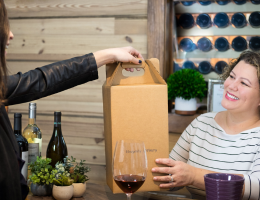
Most wineries have a club signup problem that is really a staff training problem. Team members who aren't confident describing club benefits, handling objections, or knowing when to introduce the topic will avoid the conversation entirely. The best tasting room staff are trained to read the room, ask questions that surface a guest's lifestyle and wine habits, and position the club as a natural next step at a high point in the experience, not as an afterthought at checkout.
Make signup fast at the point of sale
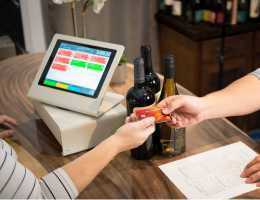
Nothing kills a signup moment like a slow system. If your staff has to navigate multiple screens, manually enter member details, or wait for a system to load, the momentum evaporates. Your tasting room POS should allow staff to open a new club enrollment in seconds, collect the guest's information, assign their tier, and apply the first-visit member discount before the conversation gets cold. This is one of the most underappreciated factors in club conversion rates: the technology either makes the ask easy or it makes it awkward.
2. They use data to personalize outreach and follow-up
The wineries with the highest club conversion rates don't just wait for guests to self-select. They have systems that capture guest information from the first visit and use that data to make targeted, personalized follow-up feel like good service rather than a sales pitch.
Capture guest data at every touchpoint
Every tasting room transaction should create a guest record. Every event signup should add to it. If a guest visits three times and buys a bottle each time but still hasn't joined the club, that's not a missed sale, that's a known prospect with a purchase history you can act on. Wineries that capture this data consistently, and store it in a CRM that's actually connected to their POS rather than sitting in a separate spreadsheet, have a major advantage in targeted follow-up marketing.
Follow up within 48 hours of a tasting room visit
Timing matters more than most wineries realize. Wineries who follow up with tasting room visitors within 48 hours convert to club membership at significantly higher rates than those who wait. A well-timed email that references the wines they tried, includes a direct link to join the club, and highlights the specific benefits relevant to their visit can be highly effective. Generic mass emails don't move the needle. Personalized, timely follow-up does.
Segment your non-member buyers for targeted campaigns
If your wine club management software lets you identify customers who have made two or more purchases but haven't joined the club, you have a ready-made audience for conversion campaigns. These are guests who already like your wine. The only question is whether they've been given a compelling enough reason to formalize the relationship. A targeted offer, a limited-release preview, or an invitation to an exclusive member event can be the nudge that converts a repeat buyer into a long-term member.
3. They offer flexible membership options that reduce friction
One of the most common reasons guests decline a club signup isn't that they don't want the wine. It's that the structure feels too rigid. Traditional club models with fixed shipments, fixed quantities, and no way to pause or customize feel like a commitment many guests aren't ready to make in the moment. The top wineries have responded by building flexibility into their club architecture from the ground up.
Offer multiple tiers with clear, tangible benefits

A well-structured tier system lets guests self-select into the level that fits their lifestyle and budget. A two-bottle quarterly tier at a lower price point removes the barrier for guests who are wine-curious but not yet committed. A six-bottle tier with exclusive access to library wines and events appeals to your most enthusiastic buyers. Each tier should have a clear value proposition that staff can communicate in two sentences or less, because if the explanation takes longer than that, you've likely lost the signup.
Allow members to pause, swap, and customize
According to the Wine Market Council survey, flexibility is one of the top two reasons consumers join a wine club, second only to member discounts. Members who feel trapped by a rigid shipment schedule are far more likely to cancel than those who can pause for a month, swap a bottle, or adjust their shipment before it processes. These aren't just retention features. They also reduce the friction of signup, because guests who know they can pause aren't worried about getting locked in. Offering a subscription-style club model with member self-service options is increasingly table stakes for wineries competing for memberships in 2026.
 Extend your reach beyond the tasting room
While tasting room visits remain the primary acquisition channel, the wineries growing fastest are supplementing with off-site events, virtual tastings, and regional road shows that put their wine in front of prospective members who may never make the drive to your property. Virtual tastings on platforms like Zoom work well for engaging past visitors who live far away, or for connecting with potential members who discovered you through your ecommerce store. Keep virtual events focused: a new release preview with guided tasting notes is more effective than an unfocused open session.
How the right technology makes all three strategies work better
The strategies above aren't new. Most winery owners and tasting room managers intuitively understand that great experiences, good follow-up, and flexible club structures drive signups. The gap is usually execution, and execution problems are often technology problems in disguise.
When your tasting room POS, wine club management, ecommerce, and CRM all live in separate systems, staff spend time switching between tools and manually reconciling data instead of focusing on guests. Signup flows get clunky. Follow-up emails pull from incomplete records. Members who want to update their shipment have to call instead of logging into a self-service portal.
vinSUITE is a DTC platform built specifically for small to mid-sized U.S. wineries that brings wine club management, tasting room POS, and ecommerce together in one OMS backend. Staff can enroll new members directly from the POS in seconds, your CRM captures every guest automatically, and the data you need to run targeted follow-up campaigns is already there, without anyone having to export a CSV or build a report from scratch.
The built-in analytics dashboard gives tasting room managers and winery owners real-time visibility into club conversion rates, campaign performance, and channel-level sales data, so you can double down on what's working and fix what isn't instead of running on gut feel.
Frequently asked questions
How do I get more people to sign up for my wine club?
The most effective wine club signup strategies combine three elements: creating tasting room experiences compelling enough to make guests want to continue the relationship, training staff to ask confidently and at the right moment, and using POS software that makes enrollment fast and frictionless. Follow up within 48 hours of a visit and segment your non-member buyers for targeted conversion campaigns using your CRM data.
What is the average wine club conversion rate for tasting rooms?
Top-performing wineries convert 8 to 10% of tasting room visitors into club members according to industry benchmarks. The average is significantly lower, which means there is substantial room for improvement at most wineries through better staff training, faster signup flows, and more targeted post-visit follow-up.
Why are guests declining wine club memberships?
The most common reasons guests decline are perceived inflexibility (fixed shipments they can't modify), concern about accumulating more wine than they can drink, and not being asked at the right moment by a confident staff member. Offering flexible membership tiers, member self-service options for pausing or swapping shipments, and lower-commitment entry-level tiers directly addresses the most common objections.
What wine club features do members care about most?
According to Wine Market Council's research, the top motivators beyond discounts are flexibility (the ability to pause, skip, or customize shipments) and free or discounted shipping. Members also value exclusive access to limited releases, events, and experiences not available to the general public. Clubs that lead with discounts alone and offer no flexibility tend to experience higher churn.
How does wine club management software help increase signups?
Wine club management software connected to your tasting room POS allows staff to enroll new members quickly without leaving the checkout flow, automatically captures guest data for follow-up marketing, and gives managers visibility into which staff members, campaigns, or time periods generate the most signups. When club management, POS, and ecommerce share the same backend, you get a complete picture of each customer across every channel.
Should I offer a wine subscription instead of a traditional wine club?
Many wineries are adding subscription-style tiers alongside or in place of traditional clubs. Subscriptions with recurring billing and member self-service feel more familiar to modern consumers and tend to attract younger members while reducing the commitment anxiety that leads to declined signups. A hybrid approach offering both a traditional club and a more flexible subscription tier lets you appeal to a broader range of guests without abandoning your existing members.
Ready to grow your wine club? Book a demo with vinSUITE to see how it works for wineries like yours.
Post By: vinSUITE
Need something specific?
Talk to a winery DTC expert.
Our team has helped hundreds of wineries grow their clubs, reduce churn, and improve tasting room operations. Get a conversation, not a sales pitch.
Book a Demo- 1 business day response
- 20 years of winery DTC experience
- Real recommendations